

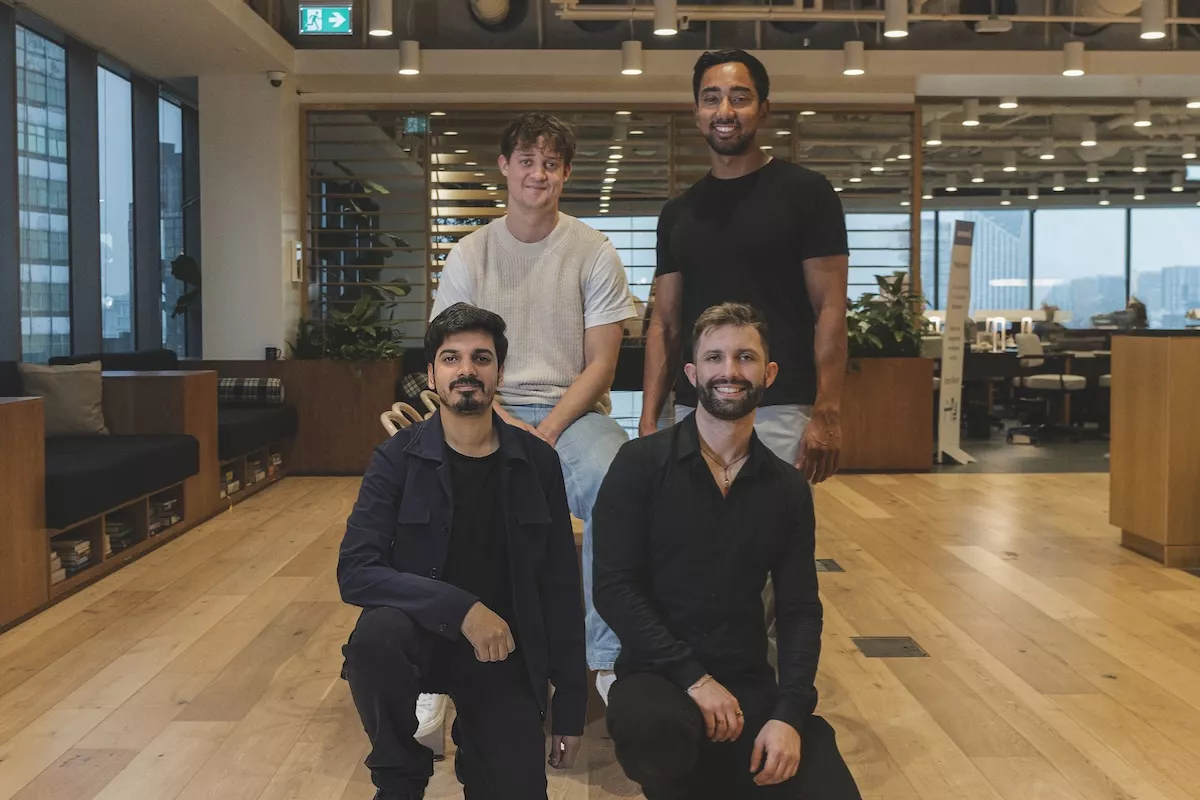
Ascentra Labs, a London-based startup building AI tools for consultants and corporate strategy teams, has raised $2 million in seed funding as it targets one of the last major professional services sectors yet to be reshaped by artificial intelligence.
The round was led by NAP (formerly Cavalry Ventures), with participation from a group of high-profile founder-angels, including Alan Chang, CEO of Fuse and former chief revenue officer at Revolut, and Fredrik Hjelm, CEO of micromobility company Voi.
Despite being one of the world’s largest services markets, valued at more than $250 billion in 2025, consulting has seen limited disruption from AI compared with adjacent sectors such as law and accounting. While VC-backed startups like Harvey and Legora have gained traction in legal and accounting workflows, consulting has remained largely manual and fragmented.
Targeting repeatable private equity work
Ascentra Labs aims to change that by focusing on specific, repeatable consulting tasks and turning them into AI-powered products. The company’s initial focus is private equity consulting, where similar analyses are carried out across deals, funds and portfolios.
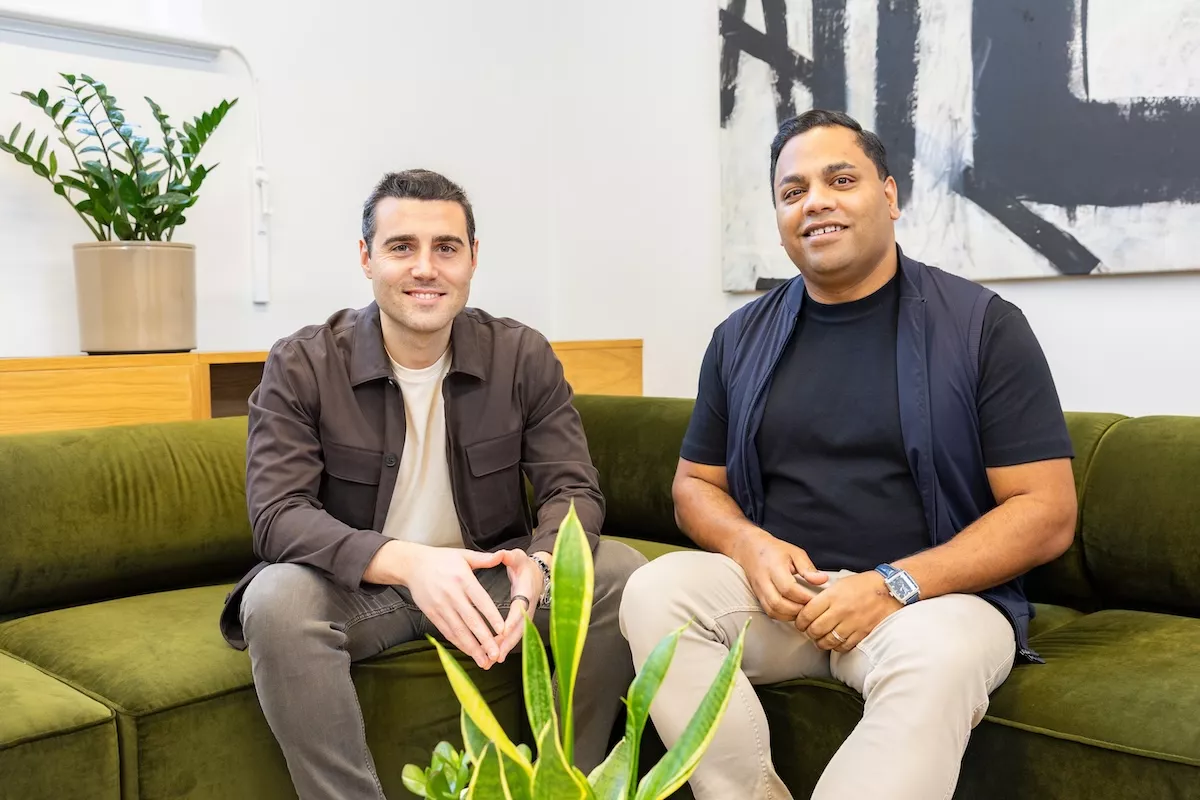
Founded in early 2025, Ascentra Labs is led by CEO Paritosh Devbhandari, a former McKinsey consultant who previously led AI product sales at QuantumBlack, McKinsey’s advanced analytics unit, and CTO Oliver Thurston, former head of machine learning at Mathison AI.
Early traction with top-tier firms
Just months after launch, the company has secured early traction with tier-one consulting firms and private equity clients. More than 80% of its customers are based in the United States, and Ascentra already counts three of the world’s top five consulting firms among its users.
Early adopters report execution speeds that are two to four times faster across key project workflows, pointing to meaningful productivity gains in an industry built around billable hours and tight delivery timelines.
“Consulting workflows are uniquely complex and difficult to build products around,” Thurston said. “It’s not surprising the space hasn’t changed yet. But that will change, and there’s no doubt the industry will look completely different in five years.”
Devbhandari pushed back on the idea that AI will eliminate the need for consultants altogether. “People love to talk about how AI is going to remove the need for consultants, and I disagree,” he said. “The role will change, but the industry doesn’t go away. The best solutions will come from people inside the industry building products around work they actually understand.”